
Nearshore vs Offshore vs In-House: The Real Cost
Every nearshore vs offshore vs in-house comparison starts with a rate table, and every rate table gets the ranking wrong at least once.

Every nearshore vs offshore vs in-house comparison starts with a rate table, and every rate table gets the ranking wrong at least once.

The staff augmentation vs hiring comparison usually gets made between two numbers that measure different things: an annual salary and an hourly rate. Divide the salary by working hours and the employee looks dramatically cheaper. That division is where the reasoning fails.

There is a specific moment in most conversations about nearshore rates in Portugal where the numbers stop making sense. A buyer has seen €35 an hour in one place and €95 in another, for what looks like identical work, in the same country.

Large companies win public contracts with a team whose only job is finding and screening tenders. Most SMEs have one person who does it on top of a real job. That is the gap ConcursosGov closes for public tenders for SMEs: it does the finding and the first screening every day, so that one person can make the decisions in minutes instead of losing an afternoon to the portal.

October is budget season. It is also when the first questions about software development cost in Portugal arrive for next year, almost always in the same shape: roughly what does this cost?
The honest answer is that the question is built wrong, and not out of pedantry. An hourly rate of €35 from a supplier who needs 900 hours is more expensive than €55 from a supplier who needs 480. Quotes for the same specification routinely land three to one apart, and that gap does not come from the hourly rate.

Tender alerts solved the problem of the last decade: finding out that a notice exists. They send you everything that matches a keyword or a code, and for a while that felt like enough.
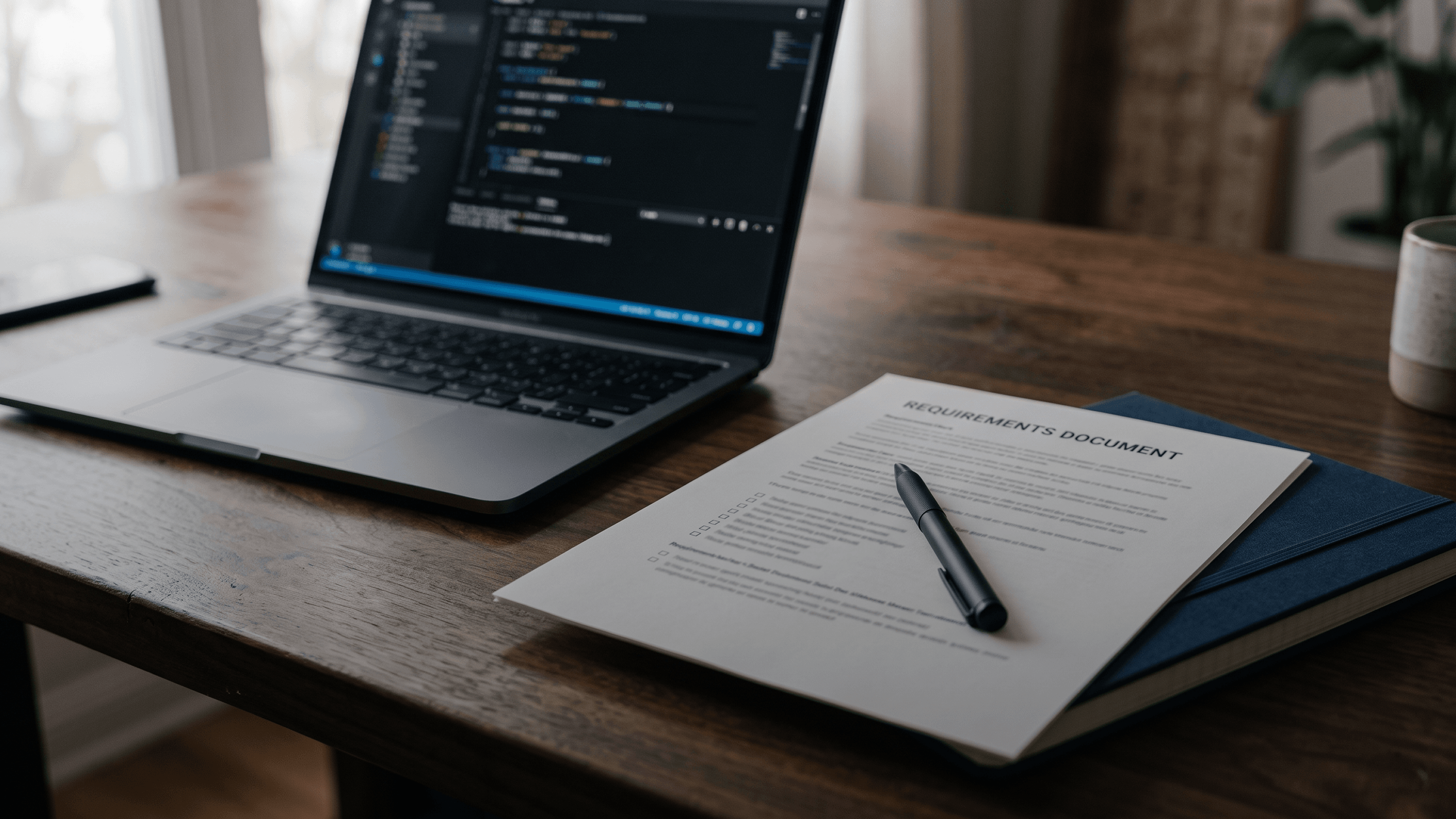
Generating tests from code and generating them from requirements are different operations with different failure modes. Generated tests reliably raise coverage. Whether they catch more faults is a separate question. The research answer is less flattering than the marketing.
“AI testing tool” covers at least seven different products sold under one label. They solve different problems, cost different amounts and lock you in to different degrees. Four questions separate them better than any feature list.

One tender, followed through ConcursosGov from the moment it appears on Portal BASE to the moment a team decides to bid. It covers the AI reading of the tender documents, the tender score and the decision log, using the real product at every step.

Portuguese public tenders are all public, and companies still lose contracts that suited them. ConcursosGov turns the daily flow of Portal BASE notices into a short list a team can decide on in minutes. It is live now, with a 14-day trial.