
- Cliente
- Ordem dos Arquitetos
- Setor
- Associação profissional · Serviços digitais para o público
- Entrega
- 2024. A integração com o SCAP está confirmada no (Relatório de Atividades AMA/ARTE 2024), que registra a Ordem como uma das duas novas entidades a aderir ao SCAP nesse ano
- Sistema substituído
- Portal anterior em funcionamento desde 2014, uma plataforma legada com dez anos
- Utilizadores
- Mais de 28.000 arquitetos registrados na Ordem, além da equipe de suporte administrativo distribuída em três perfis de permissão: Administrador, CDN e Secretaria.
- Âmbito
- 4 áreas funcionais, gestão de membros, gestão documental, autenticação única
- Integrações
- SCAP (certificação de atributos profissionais), autenticação da AMA, iAP (plataforma de interoperabilidade da administração pública portuguesa)
- Característica distintiva
- Certificados digitais com QR code, verificáveis por qualquer terceiro sem necessidade de contactar a Ordem
- Tecnologias
- Liferay
- Conformidade
- Desenvolvido segundo as recomendações da AMA e o modelo de Balcão Único
O Ordem dos Arquitectos precisava de novo portal. O existente tinha estado a correr desde 2014, e a essa altura, o o projeto começou, foi a mostrar a idade em mais do que um aspeto Um. A tecnologia estava desatualizada, a estrutura já não refletia como a Ordem estava organizada, e a plataforma poderá não suportam a transição para o digital serviços entregues que A administração pública portuguesa era a defender.
A Caixa Mágica construiu o substituição. O resultado é um portal que serve a milhares de arquitetos em Portugal, a tratar tudo profissional pedidos de certificado para documentar assinatura com validade jurídica.
Ordem dos Arquitetos Portal: O Desafio
O Portal da Ordem dos Arquitetos estava em funcionamento há mais de uma década quando a OA decidiu agir. Sistemas com uma década raramente envelhecem bem em software, e este tinha acumulado os problemas habituais: um conjunto de tecnologias cada vez mais difícil de manter, uma estrutura que já não correspondia à organização subjacente e uma experiência de utilizador que refletia as premissas de 2014 em vez das expectativas atuais.
Além disso, a reestruturação regional da Ordem complicou ainda mais a situação. O portal precisava de identificar a secção regional a que cada arquiteto pertencia e adaptar-se em conformidade. Esse tipo de personalização contextual não era algo que o antigo sistema conseguisse gerir.
Havia também uma dimensão regulamentar. O Agência para a Modernização Administrativa (AMA) tinha publicado recomendações sobre a forma como os serviços da administração pública deveriam ser prestados por via digital. A OA estava empenhada em cumprir essas recomendações. Isso significava que o novo portal não podia ser apenas uma atualização visual do antigo. Tinha de funcionar como um verdadeiro portal de serviços digitais, com processos desmaterializados, interoperabilidade com os sistemas nacionais e conformidade com os requisitos do «Balcão Único» da AMA.
Partir do antigo sistema não era uma opção. O âmbito do projeto exigia começar do zero.
Criação do Portal da Ordem dos Arquitetos
Projetar para as pessoas que mais o utilizam
O briefing de conceção centrou-se nos membros da OA: arquitetos, estagiários e candidatos. São estas as pessoas que iniciam sessão regularmente, enviam pedidos, descarregam certificados e gerem a sua situação profissional através do portal. Se o portal não funcionasse bem para eles, nada mais teria importância.
O resultado foi uma interface de utilizador concebida com base na clareza e na conclusão de tarefas. A navegação segue uma lógica consistente e as páginas são responsivas e acessíveis. A hierarquia visual é deliberada: os utilizadores conseguem encontrar o que precisam sem precisarem de compreender como o sistema está organizado nos bastidores. A integração apresenta os novos utilizadores através de um fluxo estruturado, em vez de os colocar diretamente num painel de controlo.
Um back office desenvolvido para as pessoas que o gerem
O Portal da Ordem dos Arquitetos não é apenas um produto destinado aos membros. Por trás da interface pública existe uma área administrativa utilizada por três grupos distintos: o Administrador da OA, o Conselho de Administração Nacional (CDN) e o Secretariado da OA.
Cada grupo tem a sua própria área, as suas próprias permissões e os seus próprios fluxos de trabalho. A área do administrador é responsável pela configuração e pela gestão de utilizadores. O CDN abrange as funções ao nível da governação. O processamento quotidiano dos pedidos dos membros cabe ao Secretariado.
Os controlos de autenticação gerem o acesso em todo o sistema. Os utilizadores veem apenas aquilo que lhes é destinado, nada mais. O back office foi concebido para ser gerido por funcionários sem conhecimentos técnicos especializados, o que é importante para uma organização do tamanho do OA.
Integração com sistemas nacionais
Um dos aspetos tecnicamente mais exigentes do Portal da Ordem dos Arquitetos foram os seus requisitos de interoperabilidade. O portal não funciona de forma isolada. Está ligado a vários sistemas externos que são fundamentais para a forma como os arquitetos trabalham em Portugal.
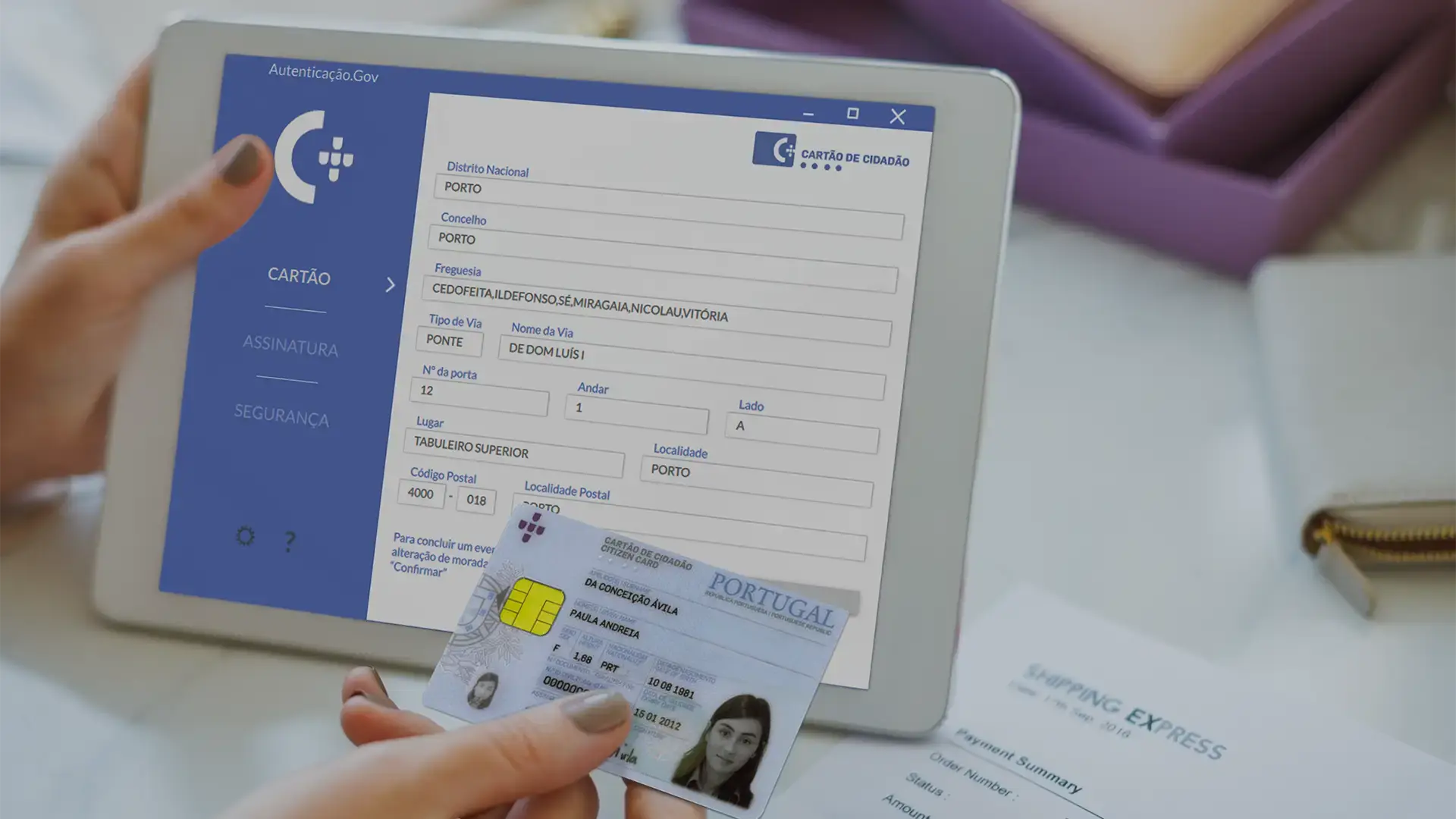
A integração mais significativa é com SCAP, o Sistema de Certificação de Atributos Profissionais. O SCAP permite que os arquitetos assinem documentos com as suas credenciais profissionais formalmente reconhecidas. Para uma profissão em que as aprovações assinadas têm peso legal e regulamentar, esta não é uma funcionalidade de conveniência. É um requisito fundamental.
Para além do SCAP, o portal liga-se ao fornecedor de autenticação da AMA, ao sistema de gestão de associados da OA e à sua infraestrutura de gestão documental. Uma solução de Single Sign-On une estes elementos, pelo que os arquitetos se autenticam uma vez e transitam entre os serviços da OA sem necessidade de iniciar sessão novamente.
A validação do código QR está integrada em ambas as extremidades. Os certificados profissionais emitidos através do portal incluem um código QR. Esse código pode ser validado por terceiros através do próprio portal, confirmando a autenticidade do certificado sem necessidade de contactar diretamente a OA.
Um conjunto de tarefas agendadas é executado em segundo plano, tratando de processos que têm de ser realizados automaticamente de forma regular. Estas tarefas são invisíveis para os membros, mas são essenciais para manter o sistema atualizado e fiável.
Acesso público
Nem tudo no portal requer autenticação. A camada visível ao público foi concebida para visitantes que não são membros da Ordem: pessoas que procuram informações sobre a Ordem, verificam serviços ou iniciam o processo de adesão. Esta área segue os mesmos princípios de acessibilidade e usabilidade do resto do portal, com capacidade de resposta em diferentes dispositivos e uma estrutura clara e navegável.
Ordem dos Arquitetos Portal: Áreas Chave
O portal está dividido em quatro áreas funcionais, cada uma servindo um público distinto.
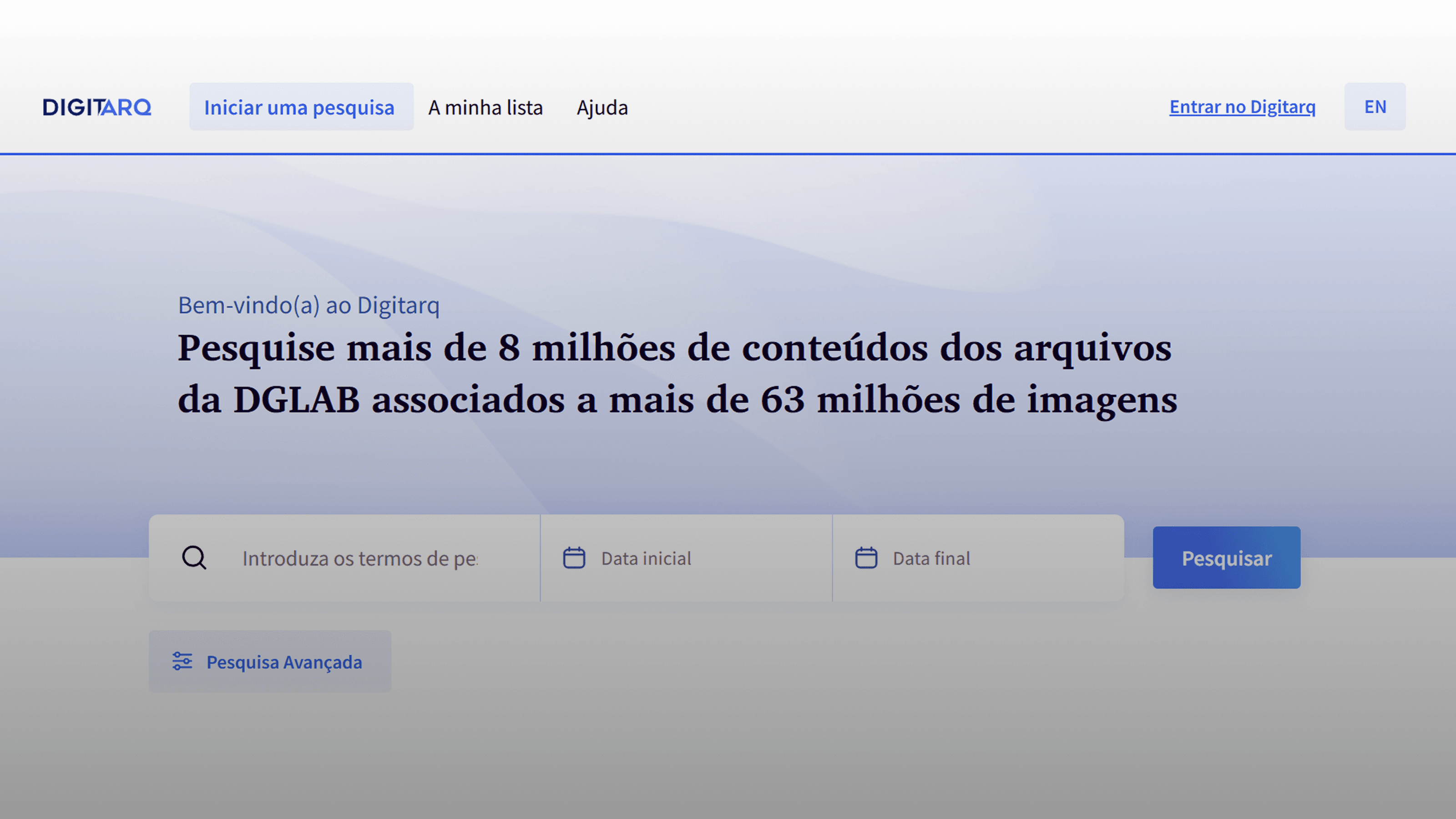
Acesso Público gere a interação com visitantes e utilizadores não registados. É o ponto de entrada para quem chega ao portal sem conta, concebido para ser genuinamente útil nessa fase, em vez de se limitar a direcionar as pessoas para o início de sessão.
Back Office: Administrador, CDN e Secretariado cobre a gestão interna dos serviços da OA. é onde a Ordem gere os seus serviços. As três sub-áreas refletem a estrutura interna da OA e garantem que cada equipa trabalha dentro de um sistema configurado para as suas responsabilidades específicas.
Front Office: Candidatos, Estagiários e Arquitetos funciona como a área principal destinada aos membros. É aqui que os arquitetos enviam pedidos, gerem os seus perfis, acedem aos serviços de tesouraria, consultam documentação e utilizam a validação por código QR. O design privilegia a rapidez e a clareza, uma vez que a maioria dos utilizadores acede ao site com uma tarefa específica em mente.
Interoperabilidade e Serviços Adicionais cobre as integrações que permitem o funcionamento do portal no ecossistema mais alargado da Administração Pública digital de Portugal. SCAP, AMA, iAP e os sistemas internos da OA conectam-se aqui.
Impacto do Portal da Ordem dos Arquitetos
Um portal que reflete como os arquitetos trabalham na realidade
Antes do lançamento do novo Portal da Ordem dos Arquitetos, os membros utilizavam um sistema concebido para uma versão diferente da organização. As secções regionais não estavam refletidas na experiência. Serviços que deveriam ser digitais exigiam intervenção manual. Certificados eram emitidos através de processos mais lentos do que o necessário.
O novo portal altera isto a nível estrutural. Os membros podem solicitar e receber certificados profissionais sem sair da plataforma. A assinatura de documentos com integração SCAP significa que os arquitetos podem executar aprovações assinadas digitalmente, com os seus atributos profissionais anexados. A validação por código QR significa que esses certificados podem ser verificados instantaneamente por quem precisar de os verificar.
Modernização administrativa na prática
O modelo de Balcão Único que a AMA promove exige que os serviços sejam acessíveis, integrados e desmaterializados. Todos os três critérios são cumpridos. Os cidadãos acedem aos serviços através de um único ponto de acesso. Esses serviços ligam-se a sistemas nacionais sem necessitar do OA como intermediário para cada transação. Como resultado, os processos em papel deram lugar a fluxos de trabalho digitais.
Interoperabilidade que funciona
Na prática, conectar-se ao SCAP, AMA e iAP exigiu mais do que integração técnica. Exigiu a compreensão de como esses sistemas se comportam na prática e a criação de um portal que lide com casos extremos de forma elegante. Um arquiteto que tenta assinar um documento através do SCAP precisa que esse processo seja concluído de forma fiável, não que encontre erros no ponto da assinatura.
As tarefas programadas integradas no portal tratam do trabalho de manutenção que, de outra forma, exigiria esforço manual: manter os dados atualizados, processar pedidos que chegam fora do horário de expediente e garantir que os sistemas de que o portal depende são consultados corretamente e em tempo útil.
Para a OA como organização
Naturalmente, o impacto não se limita à experiência dos membros. O back office oferece aos funcionários da OA um sistema adaptado aos seus fluxos de trabalho reais. O Administrador, a CDN e o Secretariado trabalham em ambientes configurados para as suas funções, reduzindo o atrito que advém da utilização de ferramentas genéricas para fins organizacionais específicos.
O controlo sobre os dados dos membros é mais claro e mais fácil de auditar. Os controlos de autenticação e de autorizações significam que o acesso é gerido ao nível do sistema, em vez de através de acordos informais. Para uma organização que detém dados profissionais de arquitetos em todo o país, isso é importante.